
Streaming is everywhere. It’s fast. It’s easy. You can access centuries of music in seconds. But let’s be honest—sacred music wasn’t meant to be squeezed into a compressed audio file and thrown into a shuffled playlist between pop hits. Some things deserve better.
Ever tried listening to Palestrina’s “Sicut Cervus” while Spotify auto-queues an upbeat jazz track right after? It’s jarring. Or searched for Gregorian chant only to find “Gregorian Chill Mix 2024” with added synth pads? That’s not sacred music. That’s background noise. And that’s exactly why SMS recordings still matter.
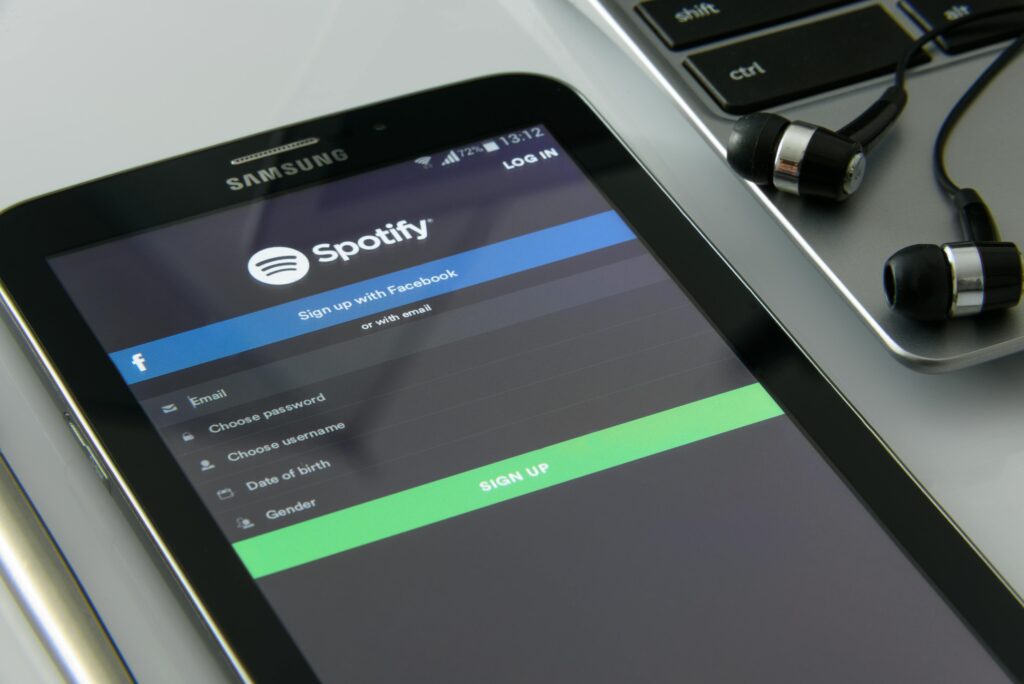
Streaming Shrinks Sacred Music
Sacred music thrives on space. On depth. On the way sound moves through grand cathedrals, bouncing off ancient stone walls, filling the air with something bigger than just melody. Streaming services? They compress, flatten, and shrink that experience into something small, something convenient—but something lifeless.
When you listen to Allegri’s “Miserere Mei, Deus” on an SMS recording, you hear everything. The breath before a note. The distant echoes that send chills down your spine. The haunting soprano line floating over the lower voices, captured in the acoustics of a church that has stood for centuries. On Spotify, you get a version that’s been scrubbed, squished, and stripped of its raw power.
Sacred Music Belongs in Sacred Spaces
Most modern recordings are done in soundproof studios, with every note cleaned up and polished until it’s almost artificial. But sacred music was never meant for that. It was meant to live in churches, monasteries, abbeys—places where faith and sound intertwine. SMS recordings capture that.
Imagine hearing Byrd’s “Ave Verum Corpus” recorded in a monastery where voices blend seamlessly, not because of digital editing, but because the singers have been practicing this art for decades. Imagine Tallis’s “Spem in Alium”, a 40-part motet, recorded in a cathedral where each choir stands in its own section, the music physically moving around you. That’s the experience SMS preserves.

The Algorithm Problem
Let’s be real—streaming services don’t care about authenticity. They care about engagement. About clicks. That’s why you search for Benedictine monks chanting “Dies Irae” and end up with a playlist designed for yoga. Streaming turns sacred music into “calming ambiance” rather than something with history, faith, and weight.
SMS doesn’t just preserve the music—it preserves its meaning. You’re not just hearing a choir sing an old Latin hymn; you’re hearing a piece of history, performed by musicians who understand its depth. You’re getting liner notes that explain the text, the context, the tradition—things streaming services never bother to include.
Why Younger Listeners Are Paying Attention
This isn’t just about older generations holding onto the past. Young listeners are tuning in too. Maybe it’s the vinyl revival. Maybe it’s a reaction against the hyper-produced, auto-tuned world of modern music. Or maybe people are just craving something real. Something raw. Something that doesn’t feel like it was generated by an algorithm.
Sacred music on vinyl? A revelation. The warmth, the space, the details lost in digital compression—all of it comes back. Try Tallis’s “If Ye Love Me” on a good sound system, and tell me it doesn’t feel like stepping into another world. SMS recordings let you hear music the way it was meant to be heard.

SMS Recordings Keep the Soul in Sacred Music
Sacred music isn’t just about sound. It’s about spirit. About history, reverence, and something bigger than just melody and harmony. SMS recordings get that. They’re not just making copies of old music—they’re keeping a tradition alive, the way it was meant to be experienced.
So if you want sacred music to actually sound sacred? Step away from the streaming platforms for a minute. Find an SMS recording. Listen closely. Let the space, the voices, the centuries of tradition wash over you. Because some things weren’t meant to be reduced to a playlist.